
Social media has become integral to our lives, revolutionizing how we connect, network, or communicate online. Much like our offline presence, we all need a digital presence to socialize, network, and stay in touch with our friends or family online. In this digitally interconnected world, social media accounts play the role of your online IDs, much like passports and national IDs in the physical world.
While social media opens new avenues for communication and networking, it also attracts the attention of scammers who exploit your digital namespace for fraudulent activities. One common such scam is the creation of fake social media accounts that impersonate online individuals, violating their digital namespace and causing severe harm.
These fake social media accounts can cause severe damage to individuals and businesses online since scammers use them to deceive, manipulate and exploit other unsuspecting users online.
This article will dive deep into the most common social media scam online, the "Fake Accounts Scam." It will further explain how you can use preventive measures to prevent your digital namespace from getting violated.
What are Fake Social Media Accounts?
Fake social media scams are digital impersonations of individuals or businesses on social media platforms aimed at deceiving, manipulating, and exploiting unsuspecting users online. It is a common scamming technique that uses a social media user's online digital identity to deceive and manipulate other users on the platform. These fraudulent profiles pretend to be individuals, businesses, or organizations they are not, often impersonating well-known personalities, celebrities, brands, or even friends and family.
Social media accounts of prominent online creators and influencers serve as the prime digital content and information source for other online users. Scammers use this knowledge to spread misinformation and cause monetary or social damage to unsuspecting social media users.
Many famous brands such as SHEIN, Nestle, Chiquita, PEPSICO, Tesla, and Eli Lilly and Company are some examples of well-known brands that have been targets of the recent fake social media accounts scam.
For instance, below is an example of the official Instagram account of SHEIN official and then a fake social media account impersonating the brand.
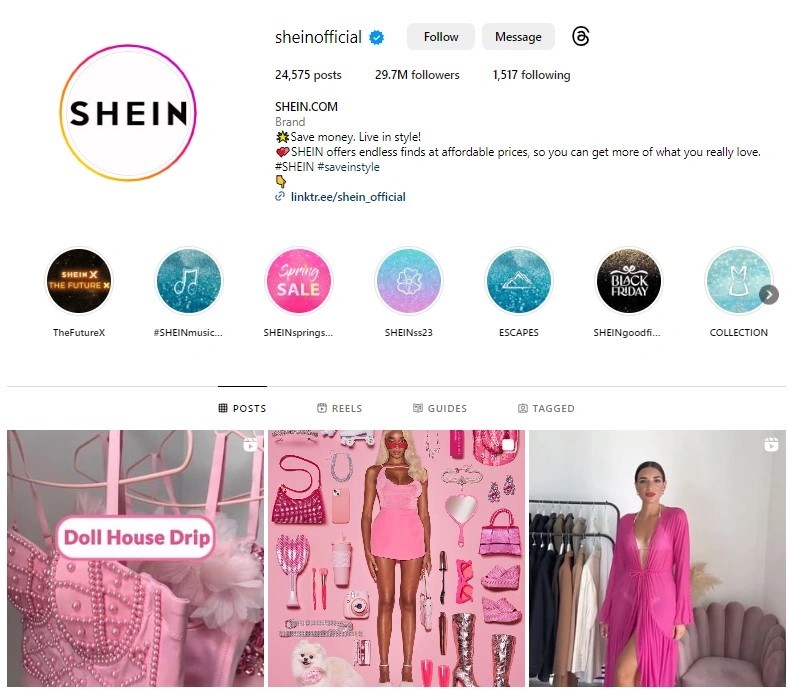
Official Instagram account of clothing brand SHEIN. (Source: Instagram)
Scammers often create fake versions of well-known brands’ social media accounts that seem quite like the originals. They make bogus social media profiles to dupe customers into buying counterfeit products. To give you an example, here’s a fake social media account of SHEIN:
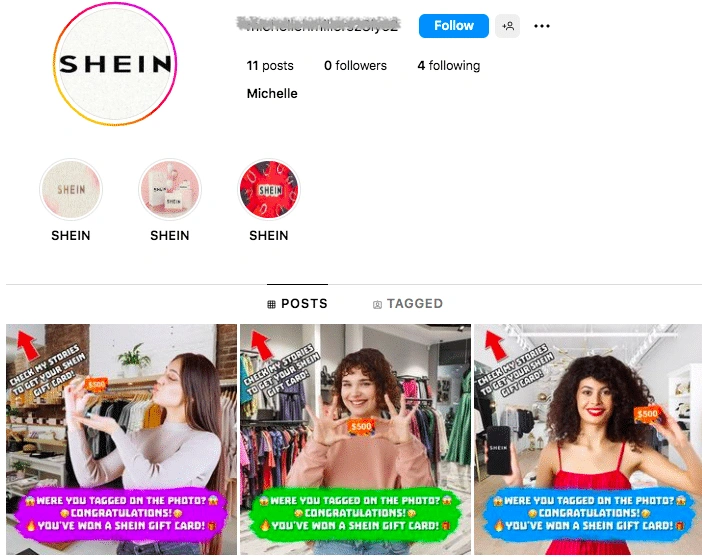
Fake Instagram account of clothing brand SHEIN. (Source: Hootsuite)
Notice how the fake social media account does not have the Instagram verified badge and misspells the username. Similarly, scammers use fake social media accounts and enlist malicious links in their bios for pulling phishing attacks on unsuspecting social media users.
Previously, you could identify a fake social media account by checking its verified badge (mainly for brands and other official accounts), but ever since the paid blue tick frenzy on Twitter (now known as X), many scammers saw it as an opportunity to exploit and damage brand image for many companies. Below are just a few examples of such incidents:
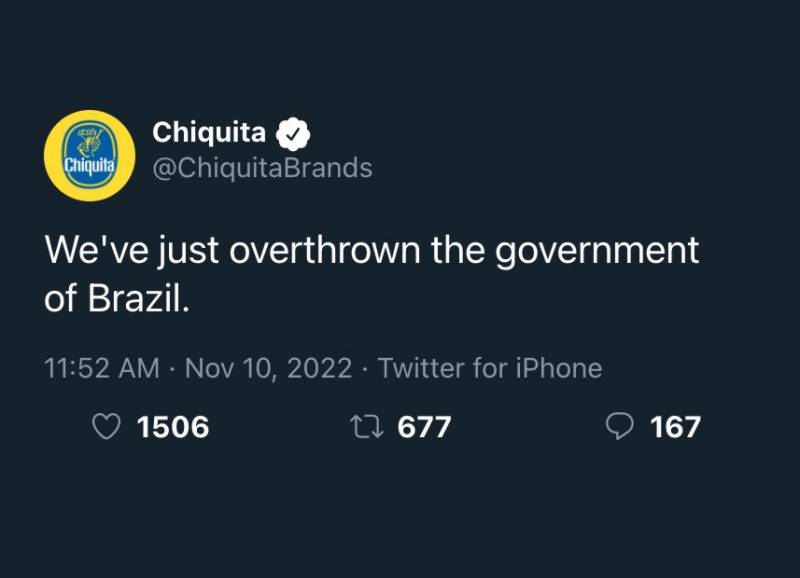


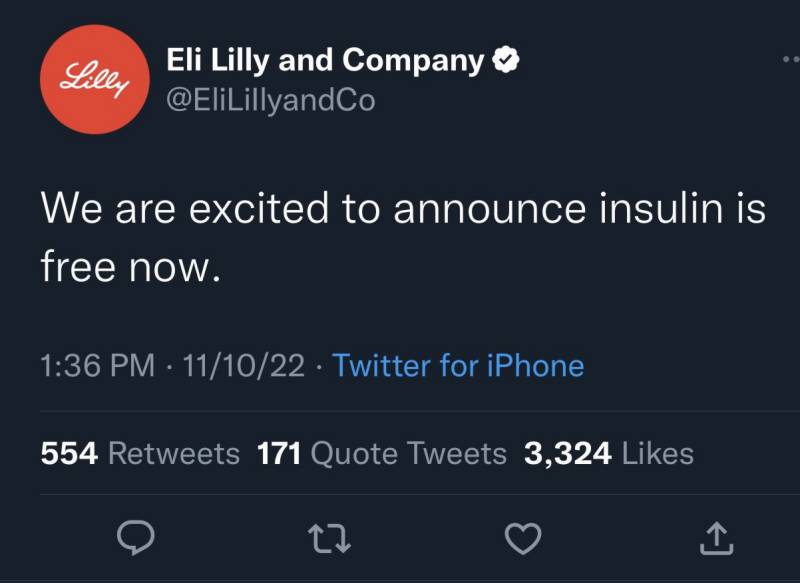
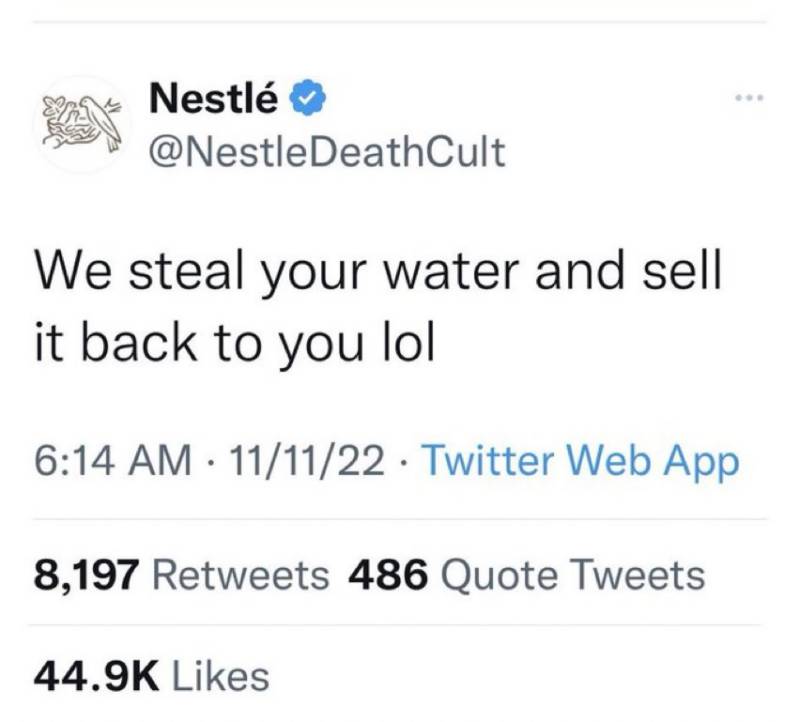
Source: Twitter
Such cases not only damage the brand image of major brands but also put them in a difficult position where they have to clarify false claims made by scammers. For example, Eli Lilly had to issue an apology tweet for the misunderstanding caused by scammers.
Types of Fake Social Media Scams:
Fake social media account scams have many different, including the following prominent ones:
Phishing Scams on Social Media:
Scammers often employ a common tactic of incorporating malicious links in their fake social media accounts. These deceptive links can be
found in direct messages, comments, or shared posts, leading unsuspecting users to scam websites. These websites aim to steal personal information, such as login credentials, credit card details, or sensitive data. Sadly, falling prey to these scams can have severe consequences, including identity theft and financial losses.
Impersonation Scams on Social Media:
Another tactic scammers employ is impersonating renowned individuals, companies, or influencers to establish trust with their followers. By mimicking trusted figures, they deceive users into partaking in fraudulent activities or buying counterfeit products or services. These impersonation scams can result in reputational harm for the authentic account holder and financial losses for the victims.
Tech Support Scams:
Scammers create false accounts posing as tech support representatives from reputable companies. Through these accounts, they reach out to users, taking advantage of their concerns about technical problems or security risks to acquire sensitive information or install malware.
Protective Measures to Avoid Falling Prey to Fake Accounts Scam on social media:
To protect yourself from falling victim to fake social media accounts, be vigilant and take these protective measures:
- Check for Verification: Many social media platforms verify the identity of brands and companies social media accounts. Checking the verification badge, in most cases, can save you from falling prey to such scams. As indicated in Twitter's paid blue tick cases above, this may not be true for all social media platforms, so you must follow all measures.
- Verify Account Details: A quick search to find the official account of the individual or brand you're interacting with is another way to avoid such scams. You can find a legitimate account for a brand by visiting their website.
- Be Cautious with Links: Never or open click on suspicious links shared in comments or direct messages. Without verifying the source, you should never visit an external website.
- Ignore Unsolicited Messages: Scammers often directly contact users on social media platforms. Never answer such DMs, especially if they ask for personal information or financial transactions.
- Report Suspected Scams: Most social media platforms have reporting mechanisms to flag fake accounts and suspicious activities. Utilize these features to help protect others from potential scams. Search for the valid account on NotCommon. NotCommon is a web platform and extension that allows you to secure your digital namespace by warning you against such scams.
- Educate Yourself: Educating yourself on common social media scams and sharing that information with friends and family is the best to combat online scammers. NotCommon provides a dedicated blog to educate users about the most common scams online. They also inform users on how to avoid falling prey to such scams.
The Takeaway – How to Avoid Common Social Media Scams
Social media is a great place to socialize, interact and network with friends, family, and acquaintances, but it can also expose you to common online scams such as fake social media accounts scam. You can avoid falling victim to such scams by staying vigilant and following protective measures.